
The new machinery directive (EU) 2023/1230
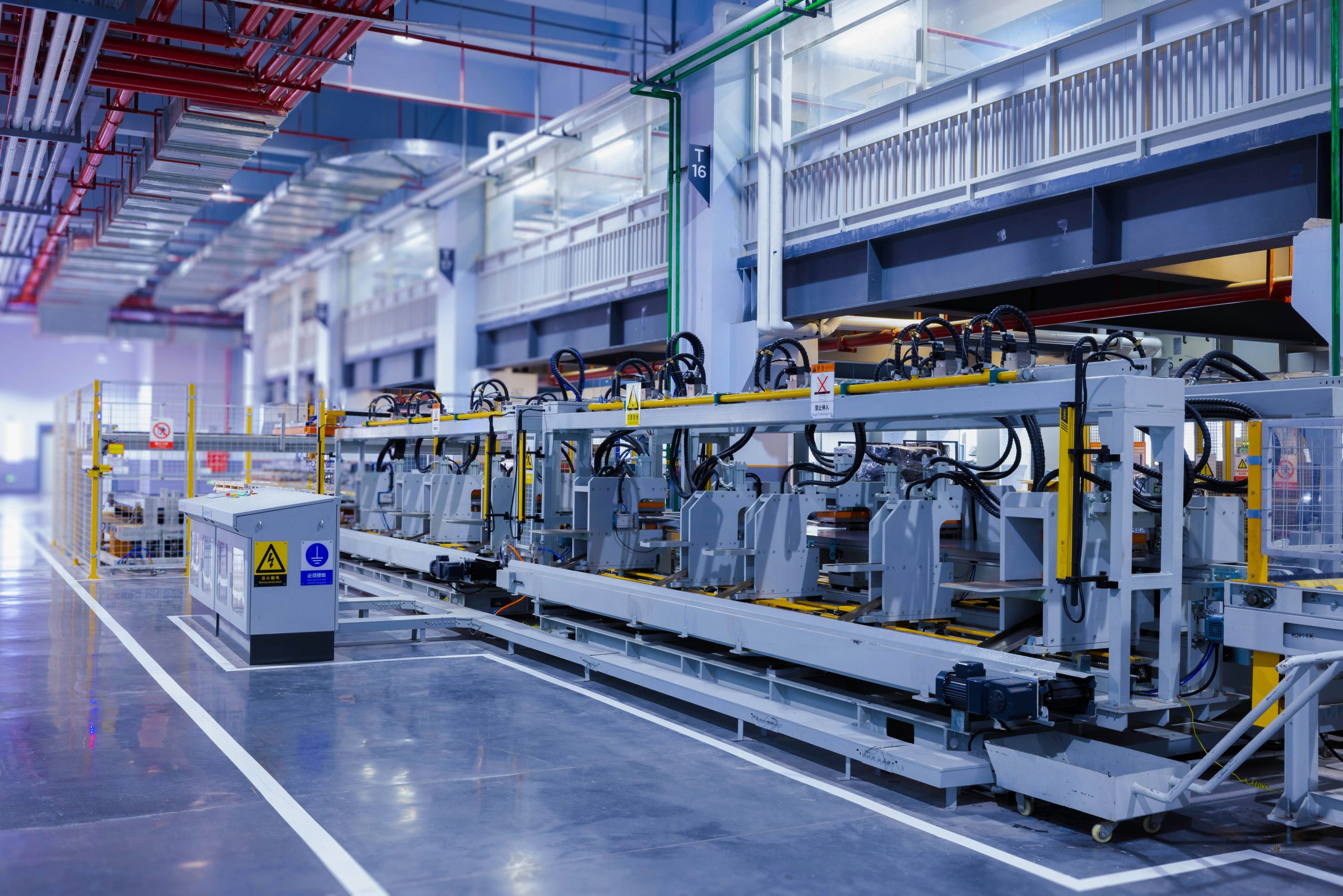
New machinery directive: what will change for business owners who sell machinery?
The rules for machinery in the EU are being renewed. In practice, this is often referred to as the new Machinery Directive, but it is a new EU regulation that replaces the current Machinery Directive 2006/42/EC. For entrepreneurs who offer machinery (or near-machinery) on the EU market, compliance thus becomes more concrete, digital and stricter in areas where the market has changed the most in recent years.
Do you sell through your own webshop, through marketplaces, or import from outside the EU? Then the new Machinery Directive is not just “something for manufacturers,” but something that directly affects you in your product data, documentation and responsibilities to customers and regulators.
Why is there going to be new legislation?
Machines have long since ceased to be just steel, knobs and motors. Modern machines are connected, contain software, receive updates and can function partly autonomously. That brings with it new risks, such as cybersecurity risks and behavior changed by software or (in specific applications) self-learning functions. The new Machinery Directive aims to better cover those realities and make enforcement more consistent across the EU.
In addition, the EU wants to more sharply define who is responsible when machinery is modified or “converted” and then reintroduced to the market. There is a lot of gray area there in practice, and exactly that gray area gets smaller under the new Machinery Directive.
Difference between old and new legislation
From directive to regulation
The old Machinery Directive was a directive. Member states translated it into national legislation, leaving room for differences in interpretation. The new Machinery Directive is a regulation and therefore applies directly in all EU countries. This ensures more uniformity and less discussion about “how it’s meant to be,” but also less latitude in implementation.
Digital documentation is becoming much more normal
Under the new Machinery Directive, it becomes easier to provide instructions digitally, as long as you do it properly and accessibly. In practice, this means that digital manuals are more often acceptable, with the important nuance that a paper version must still be provided or available upon request in certain situations.
For business owners, this is primarily a process question: can you demonstrably ensure for each product that the correct instructions (and version) are available to the user?
Cybersecurity and digital risks more explicitly on the map
Whereas the old Machinery Directive focused primarily on classic mechanical and electrical hazards, the new Machinery Directive more explicitly names risks associated with digital technology. These include protection against tampering, unwanted interference with safety functions and risks arising from connectivity.
For business owners, this means that “CE present” says less if you have no idea how the manufacturer handles software, updates and security. Especially with machines with remote functions or apps, you want to be able to ask and document these questions up front.
New focus on AI in safety-related functions
The new Machinery Directive also addresses machinery and components where AI may play a role in safety functions. This does not mean that “all AI is prohibited,” but it does mean that the framework becomes more explicit: if something is to ensure safety and its behavior may evolve or be less predictable, the bar becomes higher and tougher conformity assessment may apply.
‘Substantial change’ becomes more important
One of the most practical changes is that the concept of substantial modification will become clearer: anyone who modifies a machine in such a way that it materially alters safety can be considered a manufacturer and must then meet the requirements again for the modified part (and sometimes wider). This is relevant for entrepreneurs who overhaul, retrofit, convert, or have private label variants modified.
High-risk machinery and heavier assessment
The new Machinery Directive also changes and modernizes the list of high-risk machinery and parts, with potentially stricter routes for conformity assessment (more often a notified body). For business owners, this is especially important if your product range falls under such a category, as it directly affects what your supplier must be able to demonstrate and what documentation you must be able to request.
When does the legislation go into effect?
The new Machinery Directive (the Regulation) has already been adopted and is in force, but will only become mandatory for placing on the market as of Jan. 20, 2027. Until that date, the current regime continues to govern the “placing on the market” of machinery.
That seems far away, but for business owners with many SKUs, multiple suppliers, or sales through marketplaces, 2027 is fast in practice. Cleaning up documentation, supplier agreements, and product data almost always takes more time than you expect beforehand.
FAQ for entrepreneurs
I sell machines through my webshop. What will change for me?
The new machinery directive makes it more important that your online information and documentation is correct, complete and has version control. If a question comes from a regulator, customer or platform, you want to be able to show immediately which conformity information and instructions belong to exactly that variant.
I sell through marketplaces. Is this getting stricter?
It probably will. Marketplaces are already moving toward stricter document checks and faster intervention in the event of risks. The new Machinery Directive helps regulators and platforms more quickly check for missing or inaccurate information. If your business depends on listings, you want your documentation and product data in order sooner than later.
I am importing machinery from outside the EU. What is my biggest risk?
That the manufacturer claims “CE” but cannot provide substantiation that holds up, or that documentation does not match EU requirements (e.g. wrong language, incomplete instructions, missing risk assessment, unclear responsible party). Under the new Machinery Directive, demonstrability becomes even more important, especially with digital and connected machines.
Will I soon be allowed to provide only digital manuals?
Digital manuals are becoming more normal, but you need to set this up carefully. Think about accessibility, findability and being able to provide a paper version where required or where the rules allow on request. Think of this primarily as a process and customer journey question, not as “put pdf somewhere.”
I retrofit or rebuild machinery for customers. Do I then fall under the new machinery directive?
You can. If your modification is considered a substantial change, you can be considered a manufacturer for (the modified part of) the machine and you will have associated obligations. This is an important consideration for entrepreneurs doing engineering, integration or overhaul.
What products does it actually cover?
Not just complete machines. Related products such as certain safety components and, in some cases, software relevant to safe operation can also come into scope. If you sell machines with apps, controllers or safety features, it’s smart to get your scope checked early.
Conclusion
The new machinery directive pushes machine compliance into today’s reality: digital documentation, connected machines, cybersecurity, AI-related safety applications and clearer rules around substantial changes. For business owners, this means you need more control over suppliers, documentation and product data, as online sales and enforcement are increasingly less tolerant of “we’ll fix it later.”
Those who start now with structure in scope, variant management and documentation will prevent 2027 from becoming a scramble.
Want to know what the new machinery directive means for your product range, suppliers and sales channels?
Instrux helps you with scope check, supplier briefing, risk analysis, documentation structure and setting up processes that are ready for 2027. Schedule a no-obligation intake and find out where you eliminate the most risk with the least effort.